Most AI agencies understand technology. Robert Conley has spent 37 years understanding operations. That's a different company.
The story of Sapiant AI starts long before AI existed as a business tool. It starts with two decades inside private equity and operational turnarounds — actually inside the structure of companies, not advising from a distance. Commercial construction. Manufacturing. Professional services. Multi-step delivery operations across industries. Rebuilding how work actually flows. Rearchitecting how information moves through an organization. Identifying where the handoffs break, where the checklists get missed, where good people are spending time on work a system should own.
What Robert Conley saw consistently across every engagement was the same pattern: talented people constrained by processes that didn't support them. A construction project manager buried in coordination emails instead of managing the build. A manufacturing supervisor manually compiling reports that should run automatically. A professional services team spending a third of their week on administrative consistency work that has nothing to do with serving clients. The industries were different. The operational problem was identical.
When AI arrived as a genuine business capability, Robert didn't need convincing. He'd spent a career doing exactly what AI is designed to amplify — removing operational friction, returning time and capacity to people, and building the systems that let organizations perform above their apparent weight class. The difference is that Sapiant brings operator-level judgment to the build. We don't just automate what you're already doing. We ask why the process works the way it does, where it breaks, and what it would look like if it ran the way it was supposed to.
The tools are new. The work is the same. And this wave is the most exciting thing Robert has seen in 37 years of business. Sapiant exists to be in it — building real systems for real operations. Right now.
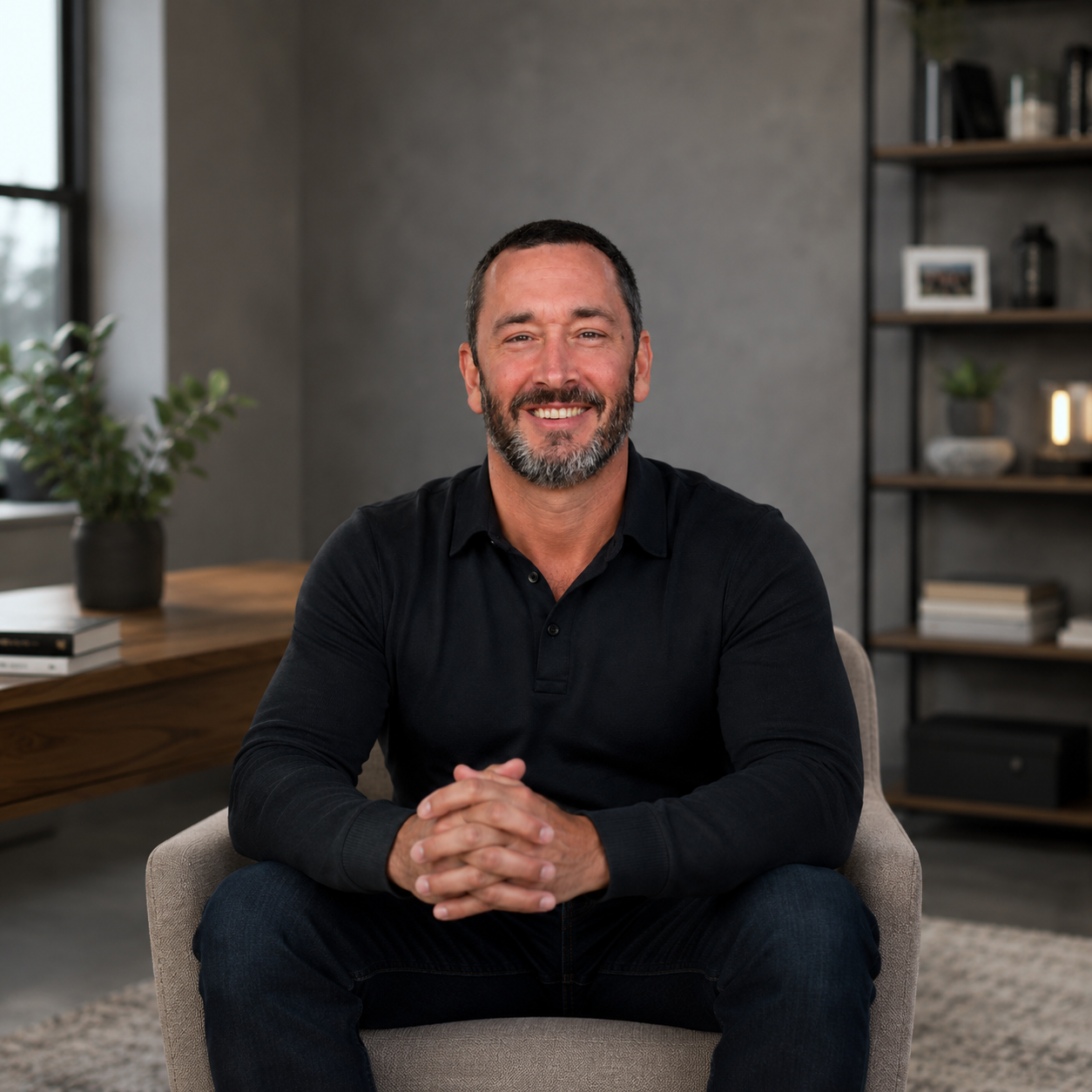
Robert is a 37-year business veteran who spent the last two decades inside private equity and operational turnarounds — not advising from a distance, but actually in the structure of organizations, rebuilding how they work. He has rearchitected businesses from the shop floor to the C-Suite, engineered multiples of growth across industries, and developed the systems-level instincts that sit at the core of every Sapiant engagement.
His background — the operational depth, the transformation experience, the ability to see clearly at every level of an organization — was built exactly for this moment. AI re-architecting is the most exciting wave he has seen in 37 years of business, and he has zero intention of watching it from the sidelines.


